What Makes a Gift Worth Playing With
A carer watching a toddler topple the same six-block tower over and over might assume the excitement faded the moment it clattered to the floor. Someone buying blind for a birthday might reach for whatever looks the flashiest on the shelf. Yet the toys that earn a lasting place in a child's routine are rarely the showiest — they're the ones that give the child something to do, not just something to watch.
A child rarely treats play as downtime between the things that matter. It's usually the opposite: stacking, sorting, inventing rules, and acting out little scenes is how a young mind works out weight, sequence, consequence, language, and how other people respond. A toy that supports this kind of active figuring-out tends to get picked up long after a toy that only performs a single trick has been forgotten in a drawer.
Buyers often assume a bigger price tag guarantees a longer shelf life, but the evidence points the other way. A modest set of open blocks or a plain wooden animal figure regularly outlasts an elaborate battery-powered gadget, precisely because there's more for the child to invent with it. None of this rules out expensive or high-tech gifts — some are genuinely excellent — but price and sophistication are poor stand-ins for the real question: what will this child actually do with it once the packaging is in the recycling?
Look for Something That Can Become Anything
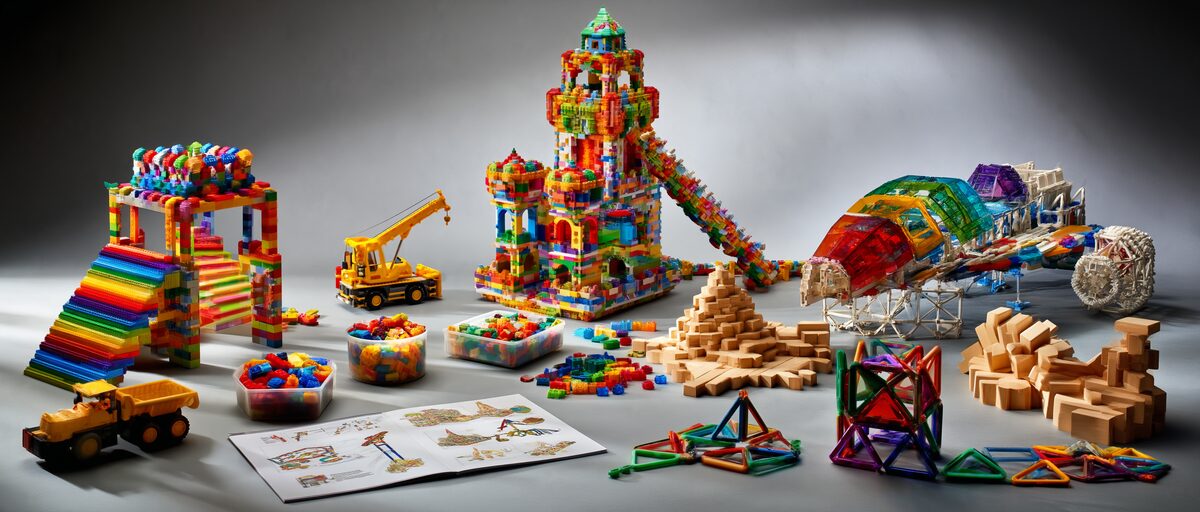
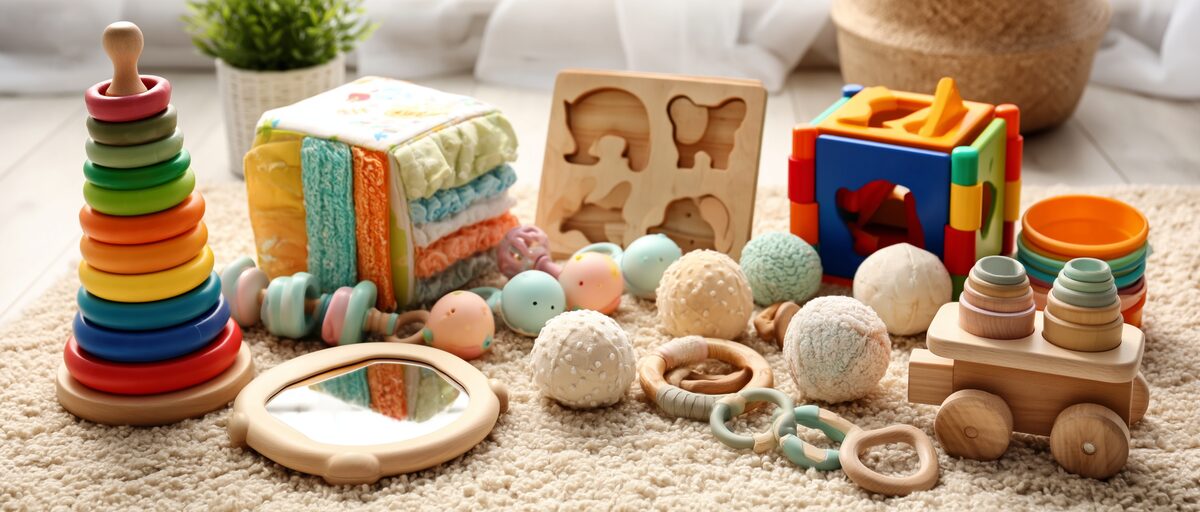
A simple set of building blocks might turn into a fortress one afternoon and a rocket ship the next. A soft animal can be a patient, a passenger, or a best friend, depending entirely on the child holding it. These flexible, open-ended toys are consistently the ones pulled back out months or years later, since a child keeps finding fresh uses for them long after a single-purpose gadget has run out of tricks. When weighing up two gift options, ask which one leaves more room for the child's own ideas.
A Gift the Whole Body Gets to Use
A physical toy or game asks something a screen rarely does: hands, balance, and whole-body coordination. Building with blocks sharpens fine motor control. Running games and ride-on toys build confidence and strength. A board game teaches a child to wait their turn and lose gracefully, something a lone session on a tablet rarely asks of them. None of this is an argument against screens — plenty of digital games are excellent too — but a present that gets a child up and moving, or working with their hands, fills a gap a tablet cannot.