The Complete Guide to Scooters and Kick Scooters — From First Rides to Stunt Parks

A kick scooter is one of the first pieces of wheeled equipment a child encounters — and increasingly, one that adults are rediscovering for commuting, fitness, and fun. The concept is simple: a deck, two or three wheels, a handlebar, and human power. But the range of scooters available spans toddler three-wheelers to adult commuter scooters to reinforced stunt scooters built for skate park abuse. The differences between them are significant, and buying the wrong type for the intended use leads to frustration, poor performance, or safety concerns. This guide covers all the main types, explains what matters in each purchase, and helps you choose a scooter that matches the rider's age, ability, and ambition.
Browse Scooters And Kick Scooters on Amazon
Every button routes to your local Amazon store automatically
Types of Kick Scooters
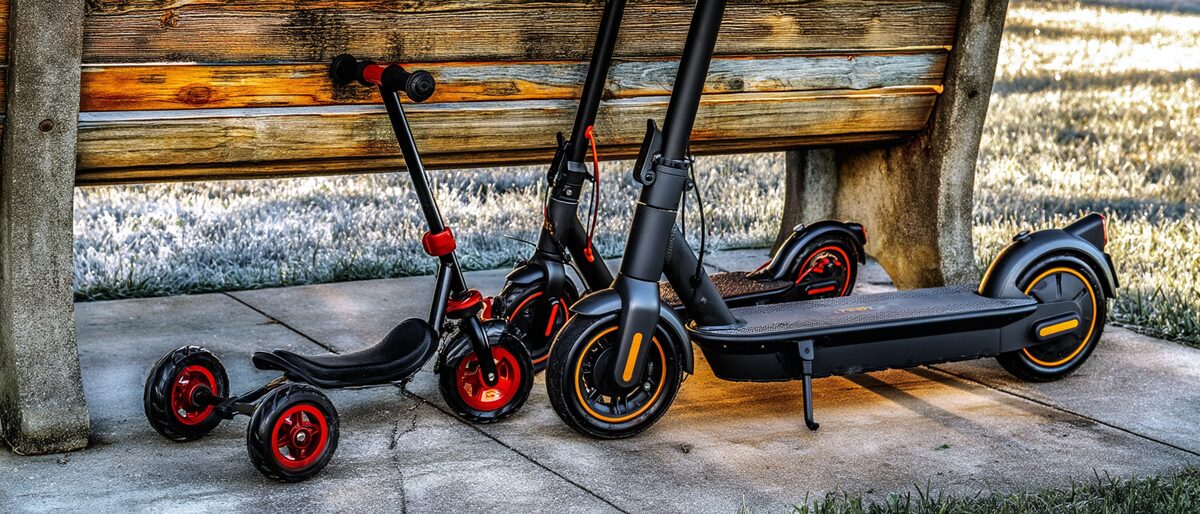
Three-wheeled toddler scooters — two wheels at the front, one at the rear. Designed for children aged roughly two to five. The wide front base provides stability, and the child steers by leaning rather than turning a handlebar.
Children's two-wheeled scooters — the standard scooter for children aged approximately five to twelve. Two wheels, a folding mechanism, adjustable handlebars, and a rear-foot brake.
Stunt scooters — reinforced, non-folding scooters built for skate parks, tricks, jumps, and grinds. Fixed bars, smaller wheels, and a one-piece construction designed to withstand repeated impact.
Commuter and adult scooters — larger-wheeled scooters designed for adult riders covering practical distances. Bigger wheels roll more smoothly over pavement, and folding mechanisms allow storage on public transport or under a desk.

Toddler and First Scooters
A toddler scooter introduces balance, coordination, and steering to young children before they are ready for a two-wheeled scooter or bicycle.
Three-wheeled (lean-to-steer) scooters are the standard first scooter. Two front wheels provide lateral stability. The child leans their body to steer — an intuitive movement that develops balance naturally. The deck is low to the ground, making it easy to step on and off.
Adjustable handlebars allow the scooter to grow with the child across several years, extending its useful life.
Weight limit and build quality matter. Cheap toddler scooters flex, wobble, and fail at the steering column. A quality first scooter from a recognised brand provides a safer, more stable ride and typically lasts through multiple children.

Children's Scooters
The standard two-wheeled scooter for children aged five and above. These are the scooters seen on every school run and in every park.
Adjustable handlebar height is important — children grow, and a scooter that fits a five-year-old will not fit an eight-year-old without adjustment. The handlebar should sit roughly at waist to hip height when the rider is standing on the deck.
Folding mechanism allows compact storage in the house, car boot, or carried into school. The folding hinge must lock securely — a hinge that collapses during riding is a serious safety issue.
Wheel size on children's scooters is typically 100–125mm. Larger wheels roll more smoothly and are easier to maintain speed; smaller wheels are lighter and more manoeuvrable.
Weight capacity — check the maximum rider weight. A scooter rated for 50kg will not safely support a larger child.

Stunt Scooters
Stunt scooters are purpose-built for skate parks, ramps, jumps, grinds, and tricks. They are fundamentally different from recreational scooters.
Non-folding construction. Stunt scooters do not fold. The bar, fork, and deck are fixed or secured with a compression system that creates a rigid, one-piece feel. Folding mechanisms are weak points that would fail under the impact of jumps and landings.
Reinforced throughout. The deck is typically aluminium, wider and shorter than a commuter scooter for foot placement during tricks. The fork is steel or chromoly steel. The handlebar (bar) is fixed-height — riders choose a bar height that suits their style and must replace it (not adjust it) if they need a different height.
Smaller, harder wheels (100–125mm, often 85A–88A hardness) provide the grip and responsiveness needed for park riding. They are not designed for comfortable long-distance travel on rough pavements.
Headset and compression system — the mechanism that connects the bar and fork to the deck and allows smooth steering. Standard compression (SCS, HIC, IHC) systems are more robust than threaded headsets and essential for stunt riding.
Do not use a folding recreational scooter in a skate park. The forces involved in jumps and drops will break a recreational scooter — potentially causing injury. Stunt scooters and recreational scooters are different tools for different purposes.
Commuter and Adult Scooters
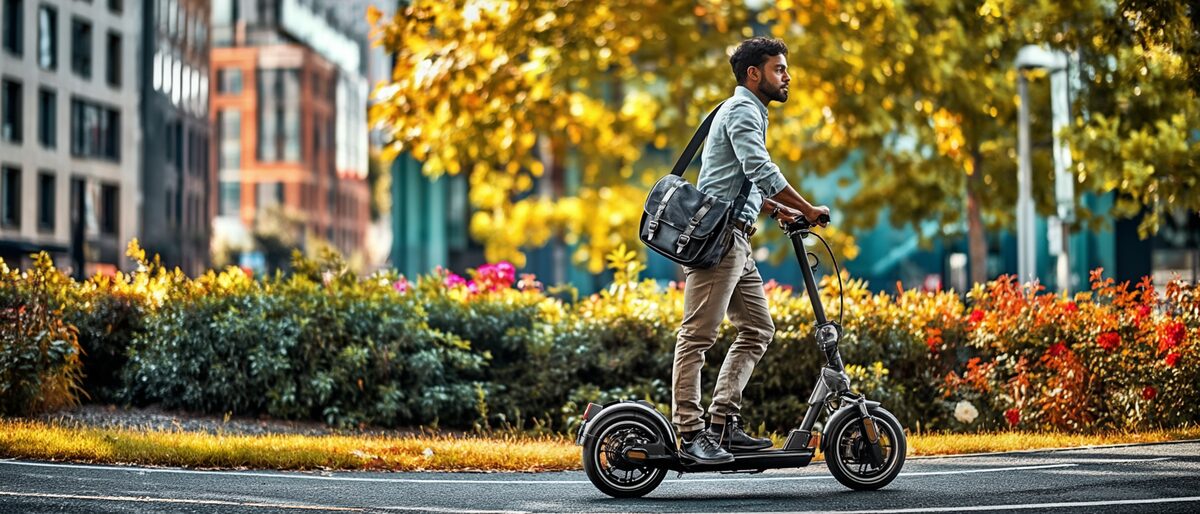
Adult scooters are designed for practical transport — commuting, running errands, and covering short to medium distances efficiently.
Larger wheels (180–230mm) are the defining feature. Bigger wheels roll over pavement cracks, kerbs, and rough surfaces much more smoothly than the small wheels on children's scooters. They maintain speed with less effort and provide a more comfortable ride.
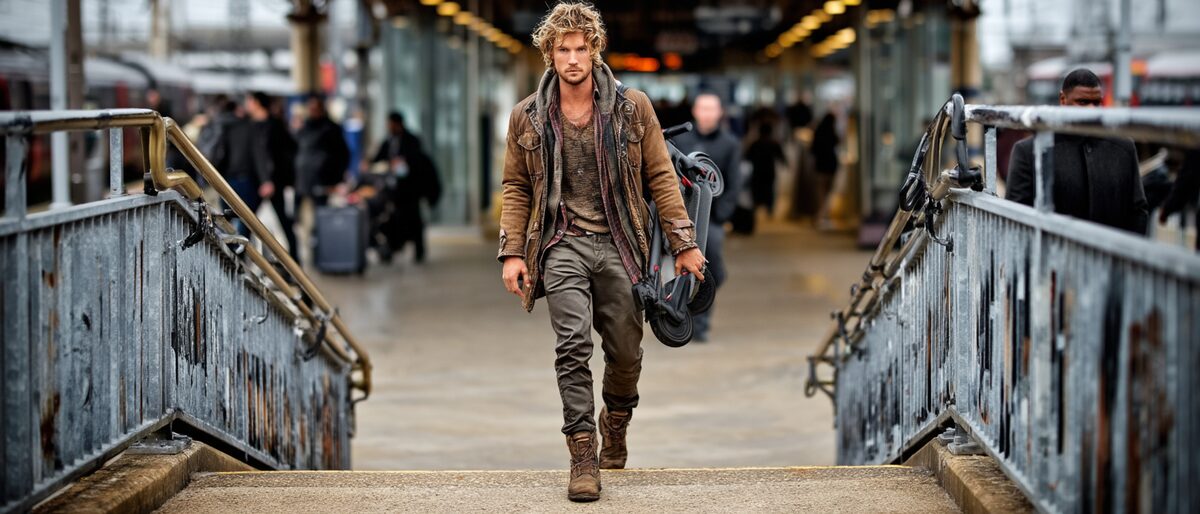
Folding mechanisms are standard on commuter scooters — they allow the scooter to be carried onto a train or bus, stored under a desk, or tucked into a cupboard.
Deck height should be low to the ground. A low deck means less energy spent pushing (your push leg does not have to reach down as far) and a more efficient ride.
Weight and portability matter for commuters. A scooter that is too heavy to carry up stairs or onto a platform is impractical for mixed-mode commuting (scooter + public transport).
Kickstand — a small but valued feature that allows the scooter to stand upright when parked.
Wheels — Size, Material, and Surface
Wheel size affects ride quality, speed, and manoeuvrability. Smaller wheels (100–125mm) are agile and light — suited to parks and tricks. Larger wheels (180–230mm) are smoother and faster — suited to commuting and distance.
Wheel material: Most scooter wheels are polyurethane (PU) — durable, grippy, and available in various hardnesses. Pneumatic (air-filled) tyres are available on some commuter scooters. They provide excellent ride comfort and shock absorption on rough surfaces but are heavier, can puncture, and require inflation.
Hardness: Softer wheels (78A–84A) grip more and absorb vibration — better for rough outdoor surfaces. Harder wheels (85A–90A) roll faster with less grip — suited for smooth skate park surfaces.
Deck Size and Construction
Width: A wider deck provides more foot room and stability. A narrower deck is lighter and more agile. Children's scooters have narrower decks; adult commuter scooters have wider decks; stunt scooters fall between the two.
Length: A longer deck provides a more stable platform for commuting. A shorter deck is lighter and more responsive for tricks.
Material: Aluminium is the standard for most scooters — lightweight and strong. Steel is heavier but more durable for stunt use. Cheap scooters may use lower-grade aluminium that flexes or cracks under stress.
Grip tape on the deck surface provides traction for the rider's feet. It wears over time and can be replaced.
Folding Mechanisms
Folding mechanisms allow the scooter to collapse for storage and transport. They are standard on children's and commuter scooters and absent on stunt scooters.
The mechanism must lock securely in both the open and folded positions. Test the lock before every ride. A folding mechanism that loosens over time introduces wobble and, in the worst case, collapses during use.
Quick-fold systems (lever or button release) are faster and more convenient than screw-type mechanisms. They suit commuters who fold and unfold the scooter multiple times per journey.
Brakes
Rear-foot brake (fender brake) — the most common brake on kick scooters. The rider presses down on a fender over the rear wheel with their foot. Simple, reliable, and effective.
Handbrakes — some commuter scooters include a handlebar-mounted brake (disc or drum). Handbrakes provide stopping power that is familiar to cyclists and can be applied without shifting foot position. They add weight and complexity.
Stunt scooters typically have no brake. Riders control speed using foot drag or the rear foot against the wheel. The absence of a brake reduces weight and eliminates a component that could interfere with tricks.
Handlebars and Grips
Height: Handlebars should sit at roughly waist to hip height for comfortable, upright riding. Adjustable bars are standard on children's and commuter scooters. Stunt scooter bars are fixed-height.
Width: Wider bars provide more control; narrower bars are lighter and allow tighter turns.
Grips: Handlebar grips should be comfortable, non-slip, and durable. Foam grips are light and comfortable but wear faster. Rubber grips are harder-wearing. Bar ends (plugs at the end of the handlebar) prevent the hollow tube from causing injury in a fall — they should always be in place.

Protective Equipment
Scooter riding involves falling. Protective equipment is not optional for children and is strongly recommended for adult riders, particularly at speed or in parks.
Helmet — essential for all riders. A skate-style helmet that covers the back of the head provides the best protection for scooter falls. The helmet must fit snugly and be fastened securely.
Knee pads and elbow pads — recommended for stunt scooter riders and beginners.
Wrist guards — protect against wrist fractures from forward falls. Particularly valuable for younger riders and park use.

Choosing Your Scooter
| Rider | Scooter Type | Wheel Size | Key Features |
|---|---|---|---|
| Toddler (2–5) | Three-wheeled lean-to-steer | Small | Low deck, adjustable bar, wide base |
| Child (5–12) | Two-wheeled folding | 100–125mm | Adjustable bar, rear brake, folding |
| Stunt / park rider | Stunt scooter | 100–125mm | Non-folding, reinforced, fixed bars |
| Teen / adult commuter | Large-wheeled commuter | 180–230mm | Folding, low deck, kickstand |
The Honest Limitations
Kick scooters are limited by surface quality. Rough, cracked, or gravelly surfaces are uncomfortable and potentially dangerous. Scooters perform best on smooth, paved surfaces.
They are weather-sensitive. Wet surfaces reduce grip and braking effectiveness. Metal decks become slippery. Bearings can corrode without maintenance. Avoid riding in heavy rain.
Stunt scooters are not transport. Their small wheels and rigid construction make them uncomfortable and inefficient for distance travel. They are a park tool, not a commuter.
Children outgrow scooters. Bar height can be adjusted, but the deck, weight capacity, and overall size have limits. Budget for progression from a toddler scooter through a children's scooter and potentially to a stunt or commuter scooter.
Common Mistakes Buyers Make
Using a folding scooter in a skate park. The forces of jumps and drops will break a recreational scooter. Use a stunt scooter for park riding.
Buying a scooter that is too small. Handlebars that are too low force the rider to hunch, causing back strain and reducing control. Size the scooter to the rider.
Ignoring the folding mechanism quality. A cheap folding mechanism wobbles, loosens over time, and can fail. Test it before purchase and tighten regularly.
Skipping the helmet. Head injuries from scooter falls — particularly in parks and on downhill slopes — are preventable with a properly fitted helmet.
Buying the cheapest option. Very cheap scooters flex, rattle, and fail at stress points. A modest step up in quality provides dramatically better durability, ride quality, and safety.
Your Pre-Purchase Checklist
- [ ] Is the scooter type appropriate for the intended use (park, commute, recreation)?
- [ ] Is the handlebar height correct for the rider?
- [ ] Is the weight capacity sufficient?
- [ ] Does the folding mechanism (if applicable) lock securely?
- [ ] Does the rider have a helmet?
- [ ] For stunt use: is the scooter purpose-built for park riding (non-folding, reinforced)?
Why Buying Through Amazon Makes Sense
Amazon carries scooters across every category and age group. Customer reviews are particularly valuable for scooters — real-world reports on folding mechanism reliability (the most common failure point), handlebar wobble, wheel quality, and whether the scooter holds up to the use its marketing suggests. For stunt scooters, reviews from actual park riders (rather than parents buying blind) are the most useful guide to durability under impact.
A scooter is freedom in its simplest form — step on, push off, roll forward. For a toddler it is a first taste of speed and balance. For a child it is independence. For a park rider it is a canvas for creativity. For an adult it is the practical answer to the question of how to cross a city without a car, a bus, or breaking a sweat. Match the scooter to the rider and the purpose, protect the head, and the rest takes care of itself.
Browse Scooters And Kick Scooters on Amazon
Every button routes to your local Amazon store automatically